Cannabis Use Characteristics and PTSD-Related Outcomes Among Canadian Veterans With Chronic Pain

URL:
Journal:
Journal of Veterans Studies
Authors:
Mitchell R. Sheehy, David P. Storey, Joshua A. Rash, Greg K. Tippin, Vikas Parihar, Nick Harris
Published:
Jan 27, 2025
Research analyzing cannabis use patterns and their association with PTSD symptoms among Canadian veterans living with chronic pain, examining medicinal vs recreational use
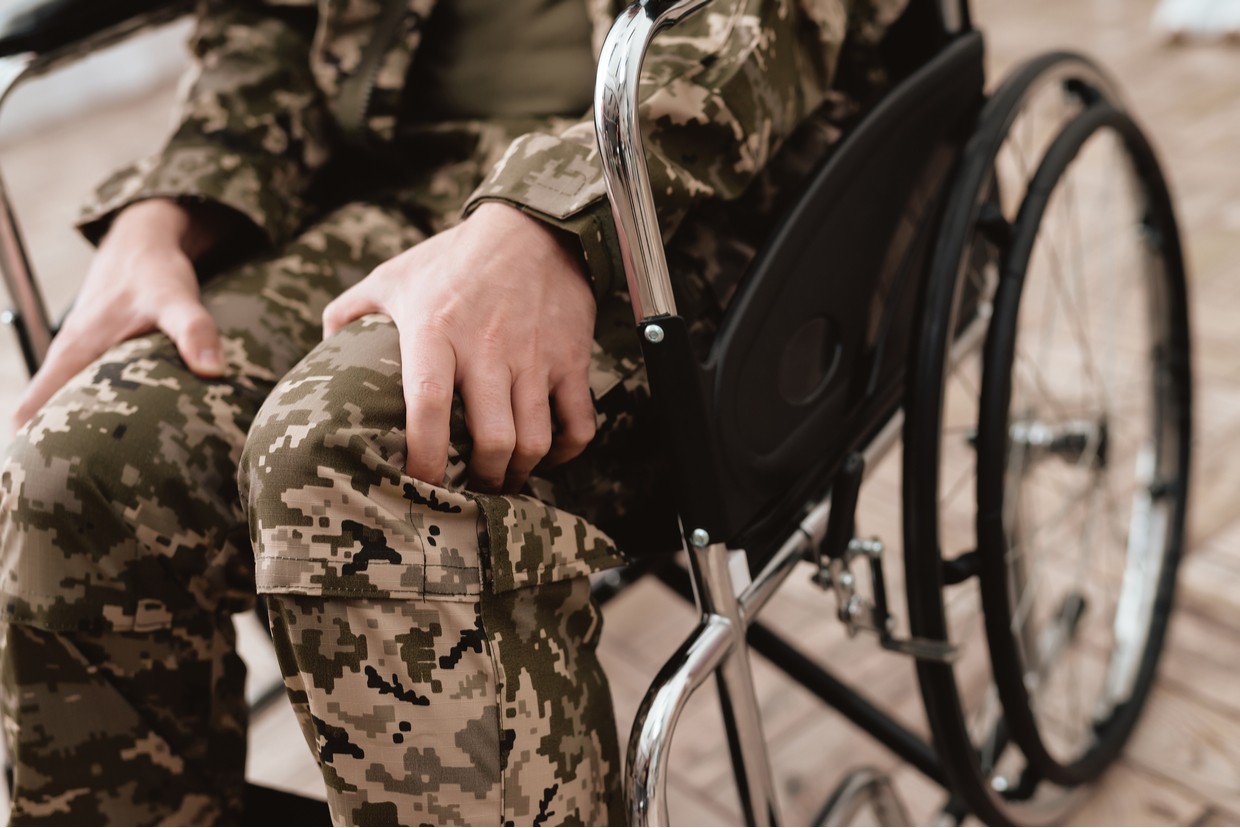
513 Canadian veterans with chronic pain and trauma history were studied to examine how different cannabis use patterns affect PTSD symptoms.
The Key Numbers
Study Facts | Data |
|---|---|
Total participants | 513 Canadian veterans |
Veterans with PTSD rates | 7.6-13.1% (vs. 1.3-5.2% general population) |
Current cannabis users | 328 veterans (63.94%) |
Veterans with cannabis prescriptions | 253 veterans (77% of users) |
VAC cannabis spending growth | $51M (2017-18) to $168M (2022-23) |
What Veterans Use Cannabis For
Condition | Veterans Using Cannabis | Found It Helpful | No Change | Made Worse |
|---|---|---|---|---|
PTSD | 174 veterans (58.59%) | 127 (76.05%) | 40 (23.95%) | 0 (0%) |
Depression | 142 veterans (47.81%) | 125 (89.29%) | 14 (10.00%) | 1 (0.71%) |
Anxiety | 185 veterans (62.29%) | 164 (89.13%) | 15 (8.15%) | 5 (2.72%) |
Sleep Problems | 228 veterans (76.77%) | 207 (92.00%) | 17 (7.56%) | 1 (0.44%) |
Study Demographics
Category | Never Used | Past Users | Current Users |
|---|---|---|---|
Total veterans | 115 (22.42%) | 70 (13.65%) | 328 (63.94%) |
Average age | 60.07 years | 58.25 years | 57.35 years |
Years of service | 20.43 years | 20.98 years | 19.72 years |
Unemployed | 15.65% | 24.29% | 33.54% |
Has disability | 28.70% | 37.14% | 46.95% |
Cannabis Use Patterns Among Users
Usage Pattern | Number | Percentage |
|---|---|---|
Medical use only | 262 veterans | 80% |
Recreational only | 12 veterans | 4% |
Both medical & recreational | 37 veterans | 11% |
Average prescribed per day | 4.55 grams | Most common: 3g |
Average actually used per day | 3.52 grams | Most common: 2-3g |
THC to CBD Ratios Preferred
Ratio Type | Veterans | Percentage |
|---|---|---|
High THC | 118 | 36% |
Equal THC:CBD | 139 | 42% |
Low THC (high CBD) | 95 | 29% |
Main Research Findings
Cannabis use itself was NOT significantly associated with better or worse PTSD symptoms, despite veterans reporting it helps.
Key Finding | Explanation |
|---|---|
No statistical correlation | Cannabis use didn't show measurable impact on PTSD severity scores |
Veterans report benefits | 76% with PTSD say cannabis helps their symptoms |
Possible reasons for disconnect | Cannabis may provide short-term relief but not long-term improvement |
Prescription users have worse symptoms | Veterans with prescriptions had more severe PTSD (likely sought treatment because symptoms were worse) |
Talk therapy connection | Veterans in therapy had worse symptoms (actively seeking help for severe cases) |
Important Distinctions Found
Comparison | Finding |
|---|---|
Prescribed vs. Non-prescribed | Veterans with prescriptions had more severe PTSD symptoms |
Route of administration | No significant difference (inhaled, ingested, absorbed, multiple) |
Amount used daily | No correlation with symptom severity |
THC:CBD ratio | No significant impact on outcomes |
Gender differences | No significant differences found |
Why the Results Matter
The disconnect between veteran experiences and measured outcomes suggests:
Cannabis may provide immediate symptom relief but not change overall PTSD severity long-term
Veterans with more severe PTSD are more likely to seek medical cannabis prescriptions
Short-term benefits don't necessarily translate to measurable improvements on clinical assessment tools
Veterans aren't using cannabis problematically - they're using it as prescribed medicine
Study Strengths
Research Quality | Details |
|---|---|
Peer-reviewed | Published in respected Journal of Veterans Studies |
Large sample | 513 veterans - significant study size |
Comprehensive measures | Validated PTSD, depression, anxiety, sleep assessments |
Detailed cannabis data | Specific information on doses, ratios, administration methods |
Ethics approved | Hamilton Integrated Research Ethics Board |
Study Limitations
Limitation | Impact |
|---|---|
Cross-sectional design | Can't prove cause and effect |
Self-report measures | Veterans reported their own symptoms |
Chronic pain focus | Results may not apply to all veterans |
Male-dominated sample | 83.63% male, may not represent female veterans |
Bottom Line for Veterans
What this research shows:
Veterans are using medical cannabis responsibly under medical supervision, primarily for sleep, PTSD, anxiety, and depression
Most veterans (76-92%) report cannabis helps their symptoms, even though clinical measures don't show statistical improvement
Veterans with prescriptions tend to have more severe PTSD, suggesting they sought medical cannabis because traditional treatments weren't working
Cannabis use patterns (amount, type, method) don't correlate with worse outcomes
The gap between veteran experiences and clinical measurements suggests cannabis provides real but short-term relief
What This Means
For Veterans: Your positive experiences with medical cannabis are valid, even if they don't show up in long-term clinical assessments.
For Families: Veterans using prescribed cannabis aren't using it problematically - they're following medical guidance.
For Healthcare: Short-term symptom relief matters for quality of life, even if it doesn't cure PTSD.
The research confirms that veterans are using medical cannabis responsibly as part of their healthcare regimen, not as recreational drug use.
Read More Blogs

Academic Journals & Research Papers
A cross-sectional examination of choice and behavior of veterans with access to free medicinal cannabis
Academic Journals & Research Papers
Canadian Veterans' Views on Medical Cannabis

Government Sources - Veterans Affairs Canada
Cannabis for Medical Purposes - Background Report