Veterans, PTSD & Medical Cannabis vs. Alcohol

URL:
Journal:
Journal of Veterans Studies
Authors:
Maryellen Gibson, Linzi Williamson, Gerald Henwood, Darlene Chalmers, Colleen Anne Dell
Published:
Mar 24, 2021
Comprehensive study examining alcohol and medical cannabis use patterns, perceptions, and outcomes among Canadian veterans with PTSD, including self-medication behaviors and treatment preferences
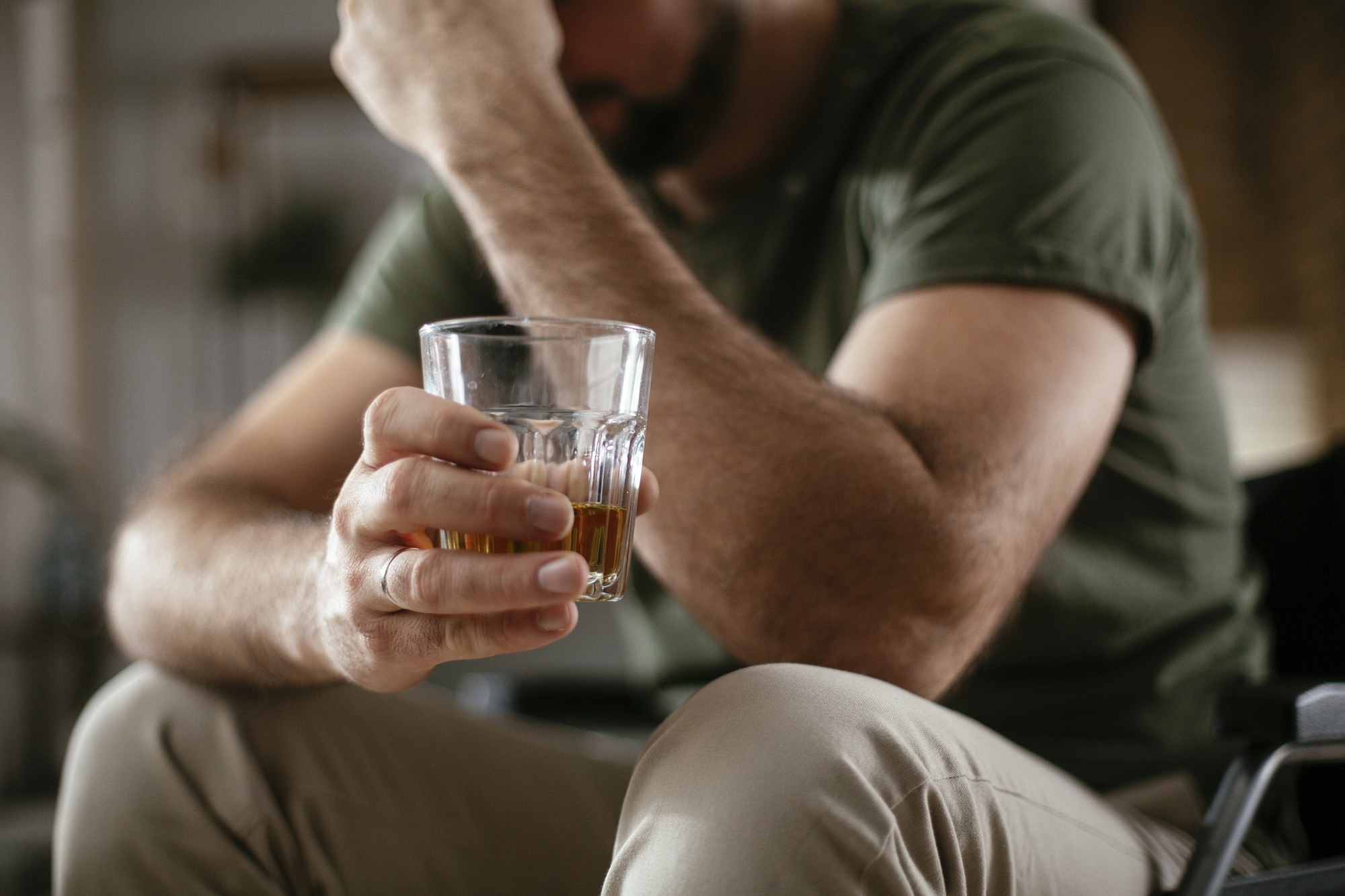
5 Canadian veterans with PTSD were interviewed 6 times over 1 year about their use of both alcohol and prescribed medical cannabis.
The Numbers Don't Lie
Statistic | Data |
|---|---|
Veterans with PTSD on disability | 71% of all VAC recipients |
VAC cannabis spending increase | 1,335% (2014-2019) |
Canadian veterans using medical cannabis | ~10,000 veterans |
Veterans who started cannabis post-service | 42% of PTSD veterans |
What This Study Found
The Reality | Medical Cannabis | Alcohol |
|---|---|---|
Military accepts it? | ❌ Heavily stigmatized | ✅ Fully accepted |
Veterans think it's addictive? | Moderate concern | High concern |
Actually use it problematically? | 0 out of 5 veterans | 4 out of 5 veterans |
Prescribed by doctors? | ✅ All participants | ❌ None |
Need to justify using it? | Constantly | Almost never |
Treatment Effects
Medical Cannabis Results
Symptom | Effect |
|---|---|
Sleep/Nightmares | Significant improvement |
Physical Pain | CBD very effective |
Anxiety/Stress | Notable reduction |
PTSD Symptoms | General management |
Other Medications | Potential to reduce |
What Veterans Didn't Like About Cannabis
Issue | Solution Veterans Used |
|---|---|
THC made them "foggy" | Switched to CBD-only products |
Felt "out of control" | Used only at nighttime |
Didn't want to feel "high" | Avoided THC, preferred capsules/oils |
The Cultural Problem
Military Culture on Alcohol
Embedded in military lifestyle - drinking is expected
Social bonding tool - essential for relationships
Stress relief - normalized coping method
Continues after service - habits stick
Military Culture on Cannabis
"Cannabis goes against everything you have learned and been taught... that is something that is going to be really, really difficult to ever take away." - Veteran participant
Zero tolerance training - deeply programmed
Seen as "street drug" - conflicts with military values
Constant guilt - even when doctor-prescribed
Identity crisis - "good soldiers don't use drugs"
Bottom Line
What the Research Proves |
|---|
Medical cannabis works for PTSD symptoms |
Veterans avoid it due to military culture - not medical reasons |
Alcohol is more problematic but culturally accepted |
Stigma, not science, drives veteran treatment choices |
Military training creates barriers to doctor-prescribed treatment |
The Irony: Veterans think alcohol is more addictive and continue using it problematically, while avoiding doctor-prescribed cannabis that actually helps their symptoms.
Study Details
Research Info | Details |
|---|---|
Type | Peer-reviewed academic study |
Duration | 1 year (May 2018-2019) |
Method | 6 interviews per veteran |
Ethics | University of Saskatchewan approved |
Analysis | Two independent researchers |
Limitation: Only 5 veterans studied (all male), but provides deep insight into military culture barriers.
What This Means
For Veterans: Your reluctance about medical cannabis might be military training, not medical facts.
For Families: The stigma is cultural programming, not evidence-based concerns.
For Policy: Military culture needs updating to support evidence-based veteran healthcare.
The research proves that military culture, not medical effectiveness, is blocking veterans from potentially beneficial treatment.
Read More Blogs

Academic Journals & Research Papers
A cross-sectional examination of choice and behavior of veterans with access to free medicinal cannabis
Academic Journals & Research Papers
Canadian Veterans' Views on Medical Cannabis

Government Sources - Veterans Affairs Canada
Cannabis for Medical Purposes - Background Report