From Crisis to Calm: How One Master Corporal Found Peace After 28 Years of PTSD
The moment Darren Magas realized he was having urges to hurt people at work, he faced a choice that would change everything.
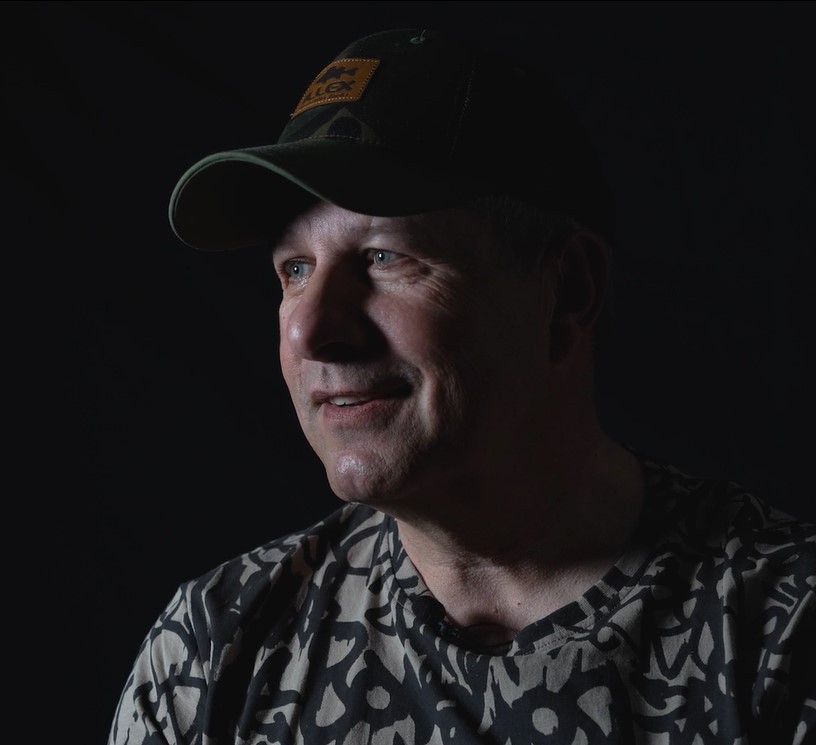

Darren Magas
Master Corporal (Retired)

Joined
May 30, 1985

Years Served
21 yrs served

Deployments
1994 - First deployment to Bosnia



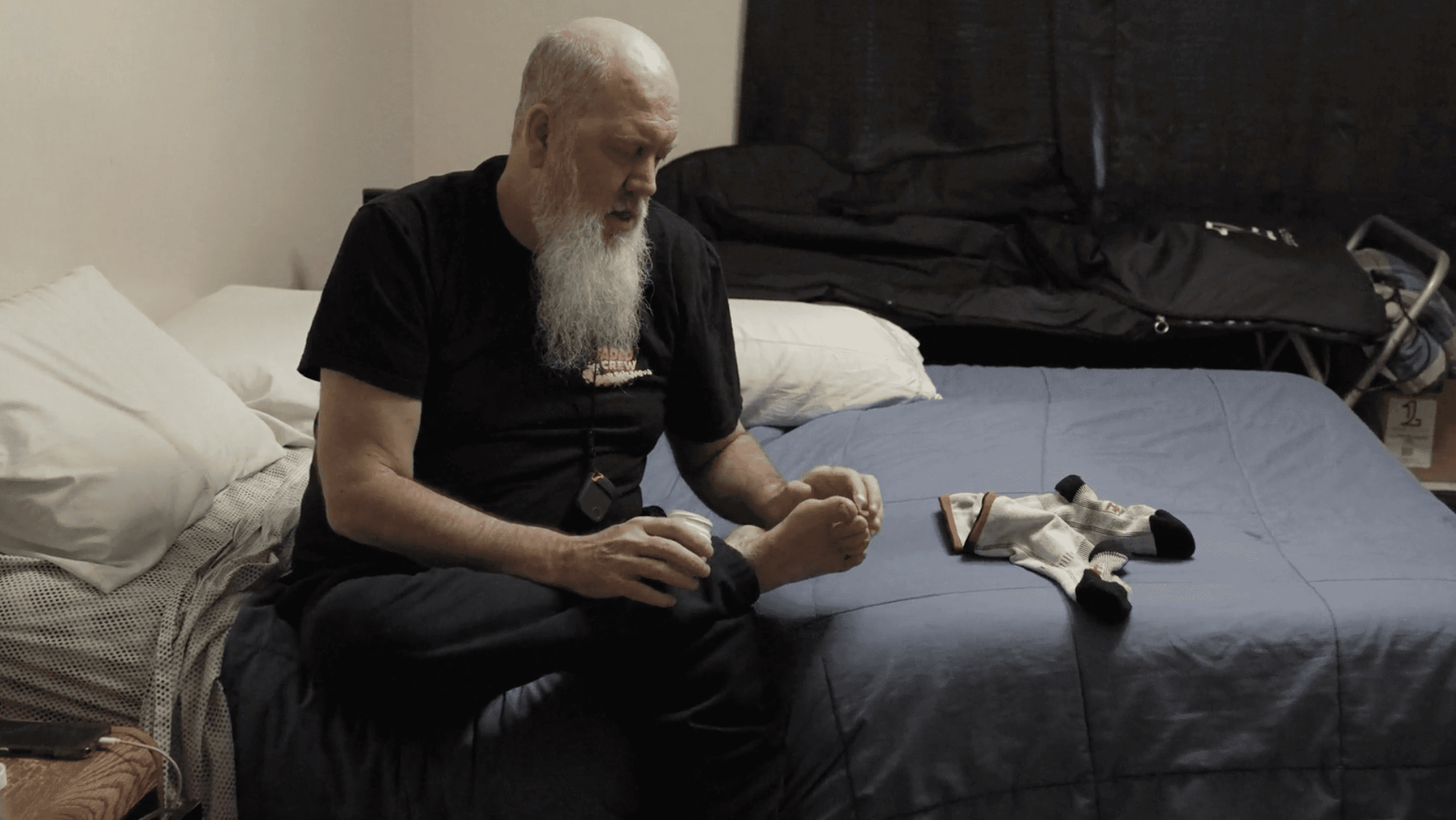

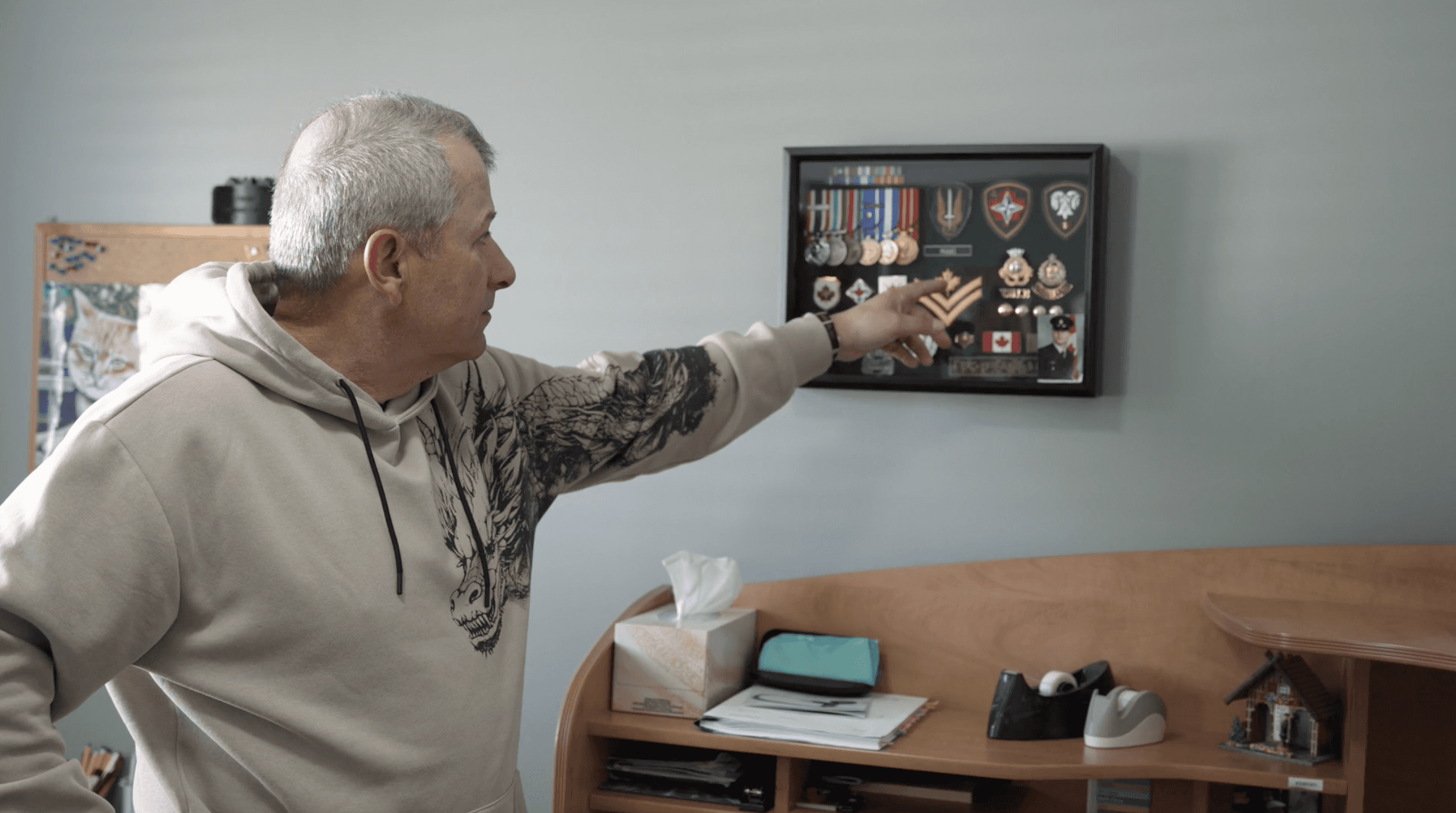
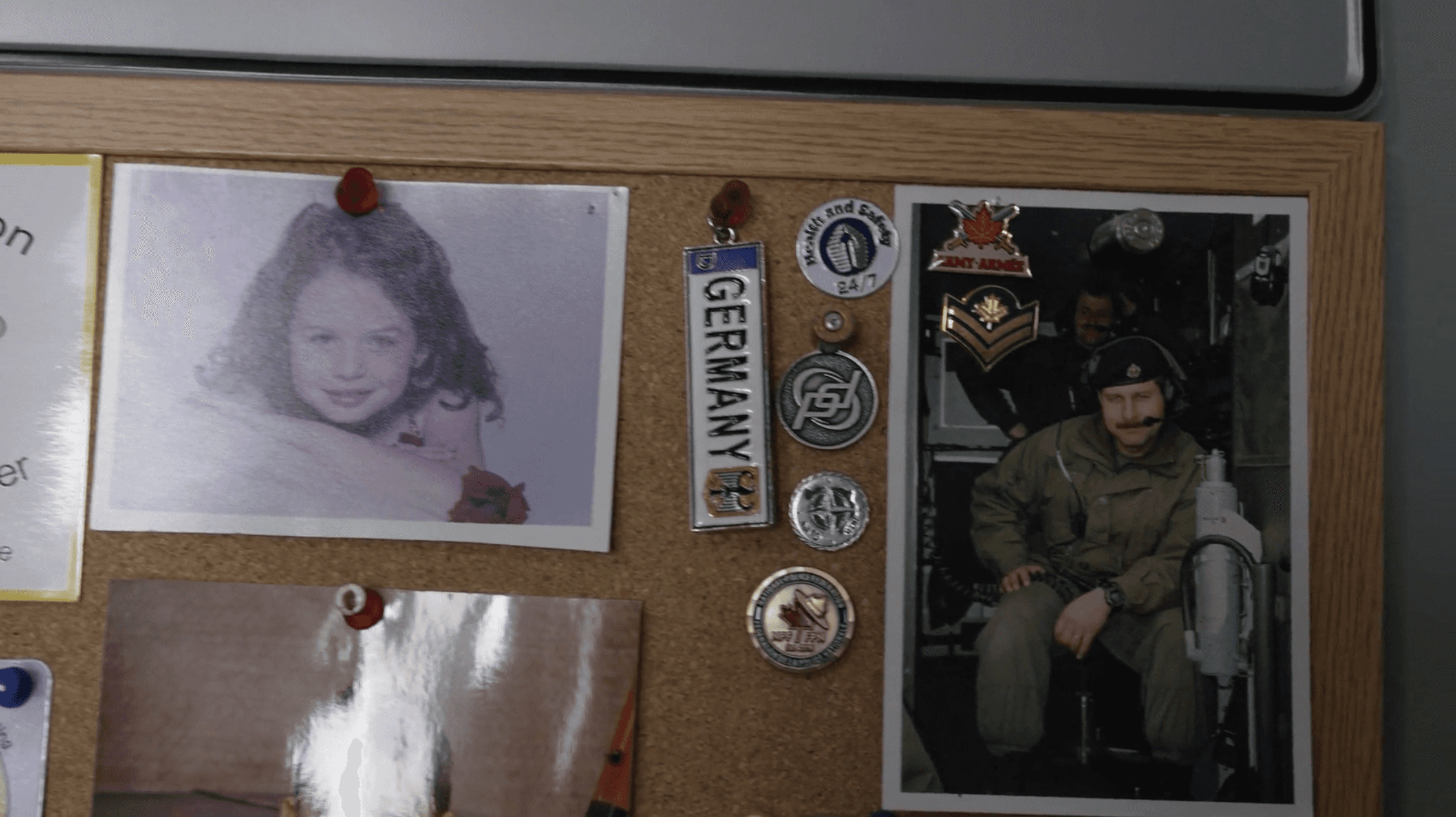

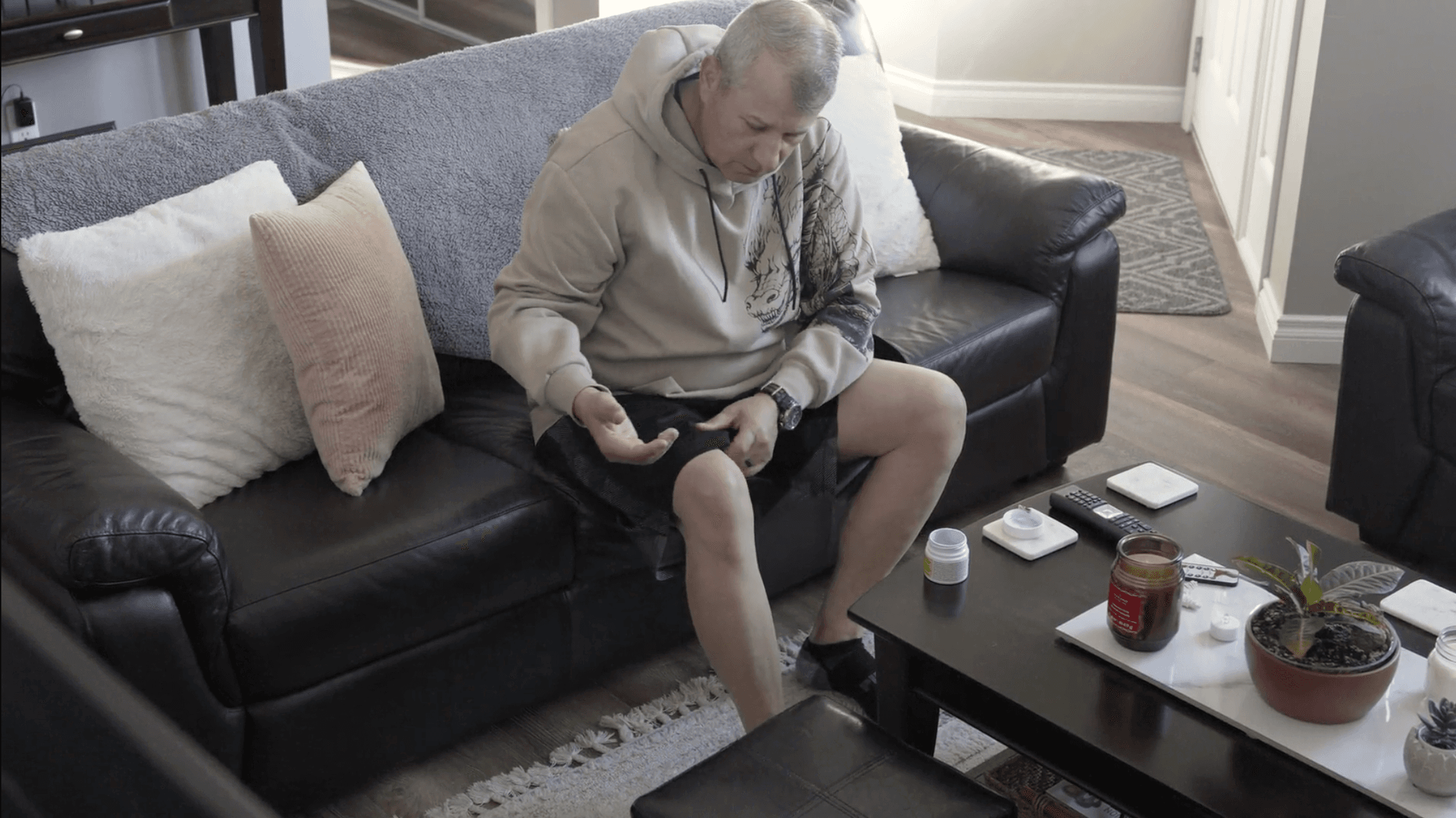

Master Corporal Darren Magas served Canada for over two decades, but his biggest battle began when he came home.
After 21 years, 13 days, 7 hours, and 22 minutes of dedicated military service, Darren thought the hardest part was behind him. He was wrong. The real fight was just beginning—a 28-year struggle with PTSD that would bring him to the edge before leading him to unexpected healing.
The Breaking Point
September 2022 marked a turning point that could have gone either way. At his workplace, Darren began experiencing something that terrified him: urges to hurt people around him.
"I noticed the urges to hurt people," Darren recalls. "So I called a psychologist and case manager for Veterans Affairs to reach out for assistance because it's time to take some time off work or hurt somebody."
That moment of self-awareness—choosing to seek help rather than risk harm—may have saved lives, including his own.
A 28-Year Journey of Struggle
Darren's PTSD story began in 1994 during his first deployment to Bosnia. Like many veterans, he was sent on a grueling 6-7 month deployment, only to return home and be told: "Take five weeks off, see you at the end of your break"—with virtually zero assistance for the transition.
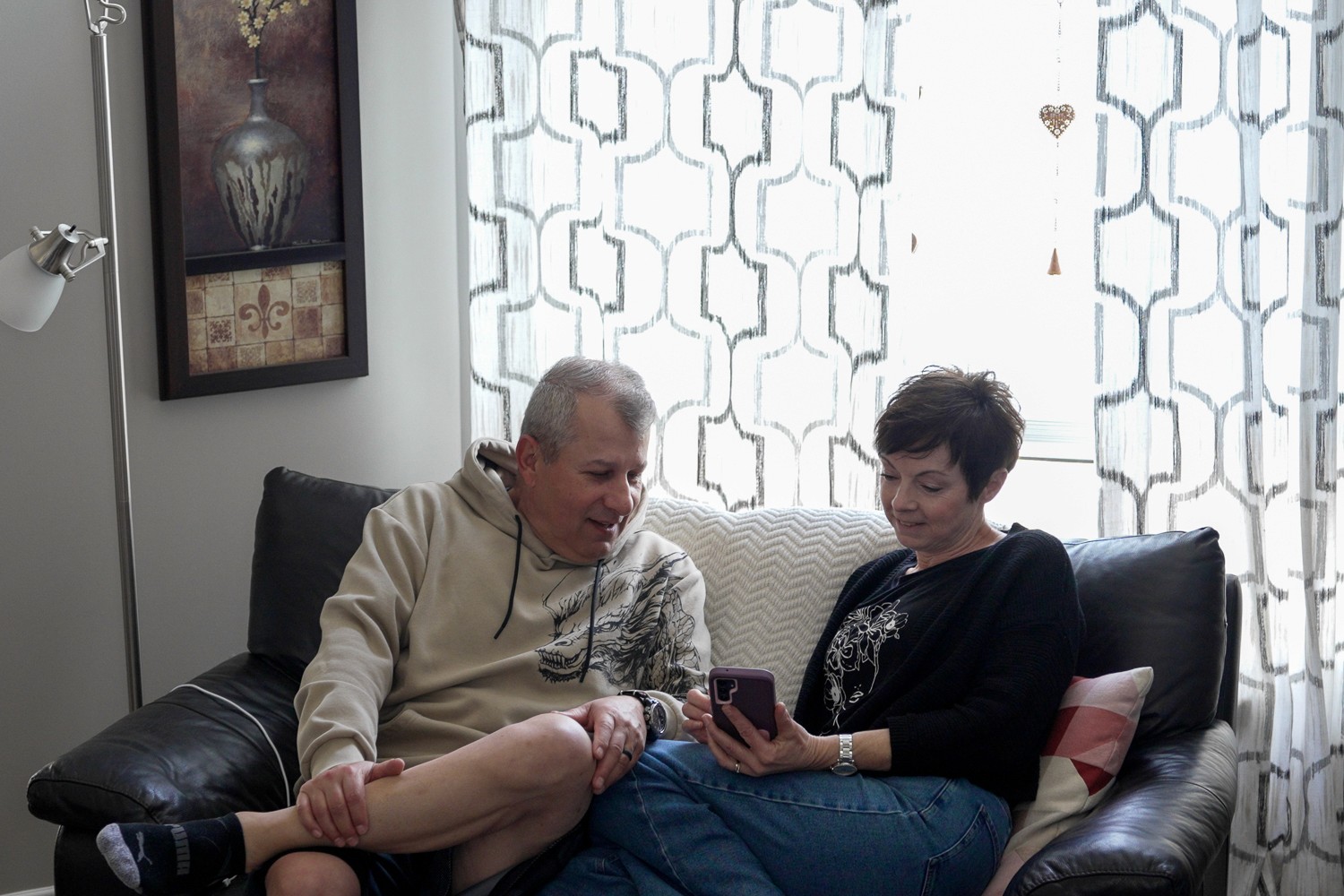
His wife Elizabeth immediately noticed the changes. The man who left for Bosnia wasn't the same one who returned. Sudden bursts of anger, personality shifts, and the challenge of readjusting to family life after months of combat created tension that would persist for decades.
"You gotta think too, if I'm gone for 6-7 months straight, I come back, she's been running the household on her own for that time frame," Darren explains. "Now I come back, you can see where we're gonna butt heads."
For 28 years, from 1994 to 2022, Darren lived with untreated or inadequately managed PTSD symptoms. Traditional medications helped some, but came with their own challenges and side effects.
The Game-Changing Connection
When Darren reached out for help in September 2022, he was connected with what he describes as "an awesome case manager" through Veterans Affairs. This case manager would introduce him to someone who would change his life: cannabis nurse educator Kayla Sanmartin.
"She says there's this nice lady we want you to meet. Her name's Kayla and I haven't looked back since," Darren shares.
A Different Kind of Treatment
What made Kayla's approach different wasn't just the cannabis—it was the comprehensive, personalized care. She didn't just prescribe; she educated.
"What she does is she asks basically your full medical history, like what's going on? And then she takes a few weeks and then she makes a perfect plan with cannabis for you," Darren explains.
Kayla came to his home and provided extensive education about cannabis—the differences between CBD, THC, CBN, and other cannabinoids, how they work together, and how they could be customized to his specific needs.
The Transformation
The changes didn't happen overnight, but when they came, they were unmistakable. Darren's treatment plan includes:
Gummies and topical applications for consistent, manageable dosing
Aurora Cannabis products including innovative CBD/THC bath bombs
No smoking or inhalation methods—focusing on longer-lasting relief
But the real measure of success isn't found in the medicine itself—it's in the daily observations from those closest to him.
"He's a Different Man"
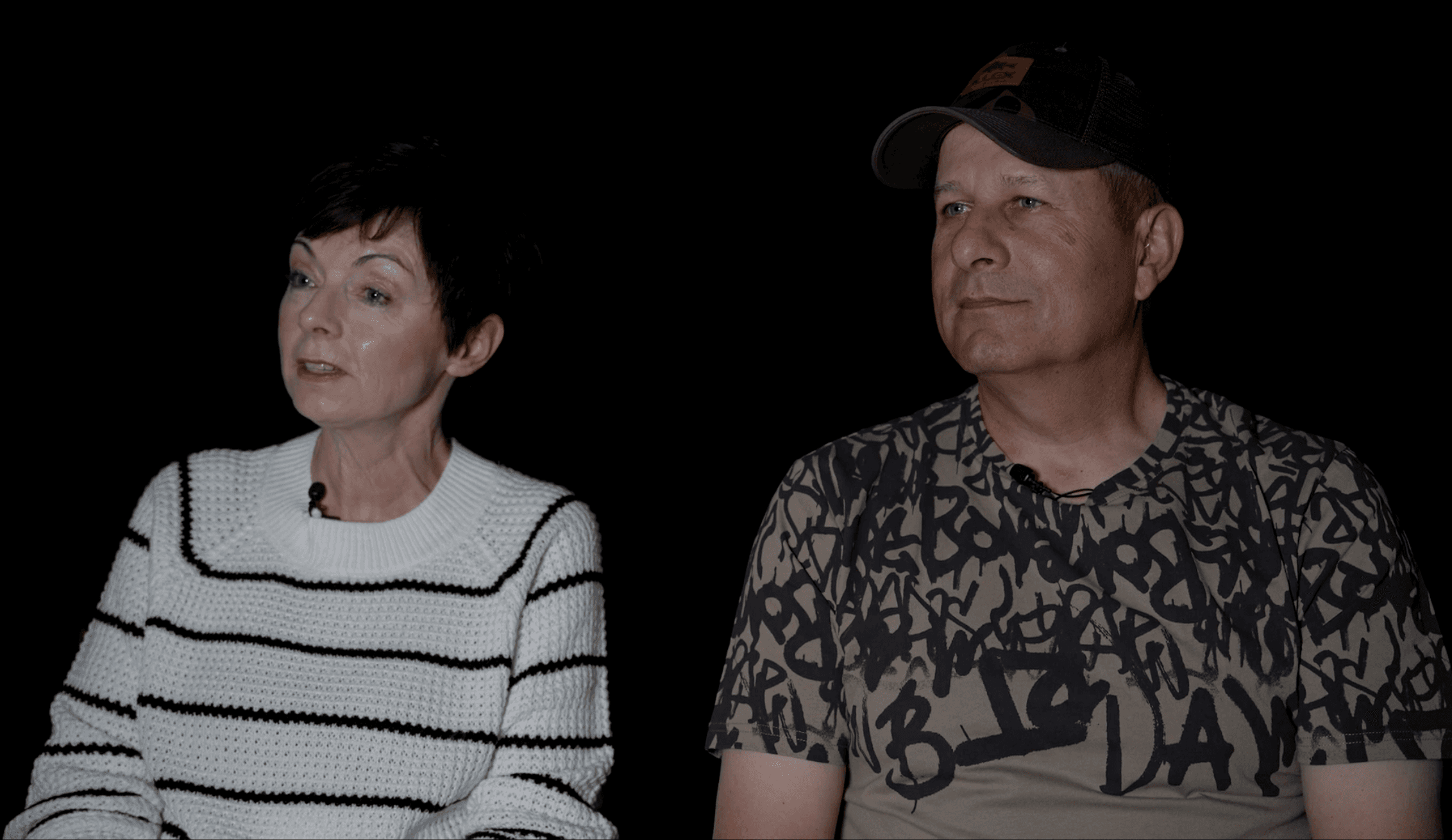
The most powerful testimony comes from Darren's family. His daughter makes the same observation every single day: "Oh wow, dad, you're really calm, like, wow, he's a different man."
His wife Elizabeth echoes this sentiment: "Everybody around him sees this—since he takes cannabis, we're really happy."
After 28 years of living with the invisible wounds of PTSD, Darren has found something that traditional treatments couldn't provide: genuine peace and the ability to be present with his family.
The Bigger Picture
Darren's story represents more than one veteran's healing journey. It highlights several critical points about veteran healthcare:
The Importance of Self-Advocacy: Darren's decision to seek help when he recognized dangerous symptoms likely prevented tragedy.
The Value of Proper Education: Cannabis wasn't just prescribed—it was taught, understood, and customized.
The Power of Comprehensive Care: Working with a healthcare provider who takes time to understand the full picture makes all the difference.
Family Healing: PTSD affects entire families. When Darren healed, his whole family benefited.
A Message of Hope
Today, Darren's story serves as a beacon of hope for other veterans struggling with PTSD. His journey from crisis to calm took 28 years, but it proves that healing is possible—even when traditional treatments fall short.
"I got an awesome case manager and she says there's this nice lady we want you to meet. Her name's Kayla and I haven't looked back since."
Sometimes, the right help comes at exactly the right moment. For Darren, that moment was September 2022. For other veterans, that moment might be today.
If you're a veteran struggling with PTSD or know someone who is, remember that help is available. Darren's story shows that even after decades of struggle, transformation is possible with the right support and treatment approach.
Learn more about veteran cannabis treatment options and connect with qualified healthcare providers in your area.
Current Treatment:
Primarily uses gummies and topical applications
Recently switched to Aurora Cannabis products
Uses CBD/THC bath bombs
Avoids smoking/inhalation methods