From 20 Years of Isolation to 18 Holes of Golfing Freedom: One Veteran's Remarkable Return to Life
Corporal Julie Laprisse-Patterson spent twenty years in isolation after Veterans Affairs turned her away in her darkest hour. She believed her story was finished. She was wrong.
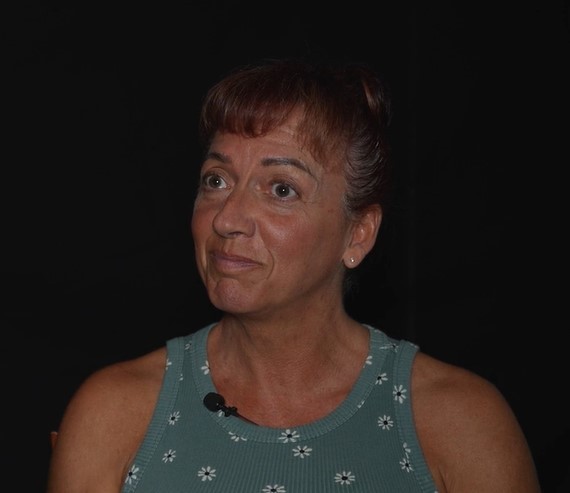

Julie Laprisse-Patterson
Corporal – Air Forces

Joined
November 1990

Years Served
13 yrs in the Air Force

Deployments
1999 - Kosovo
Princess Patricia's Canadian Light Infantry Drumline

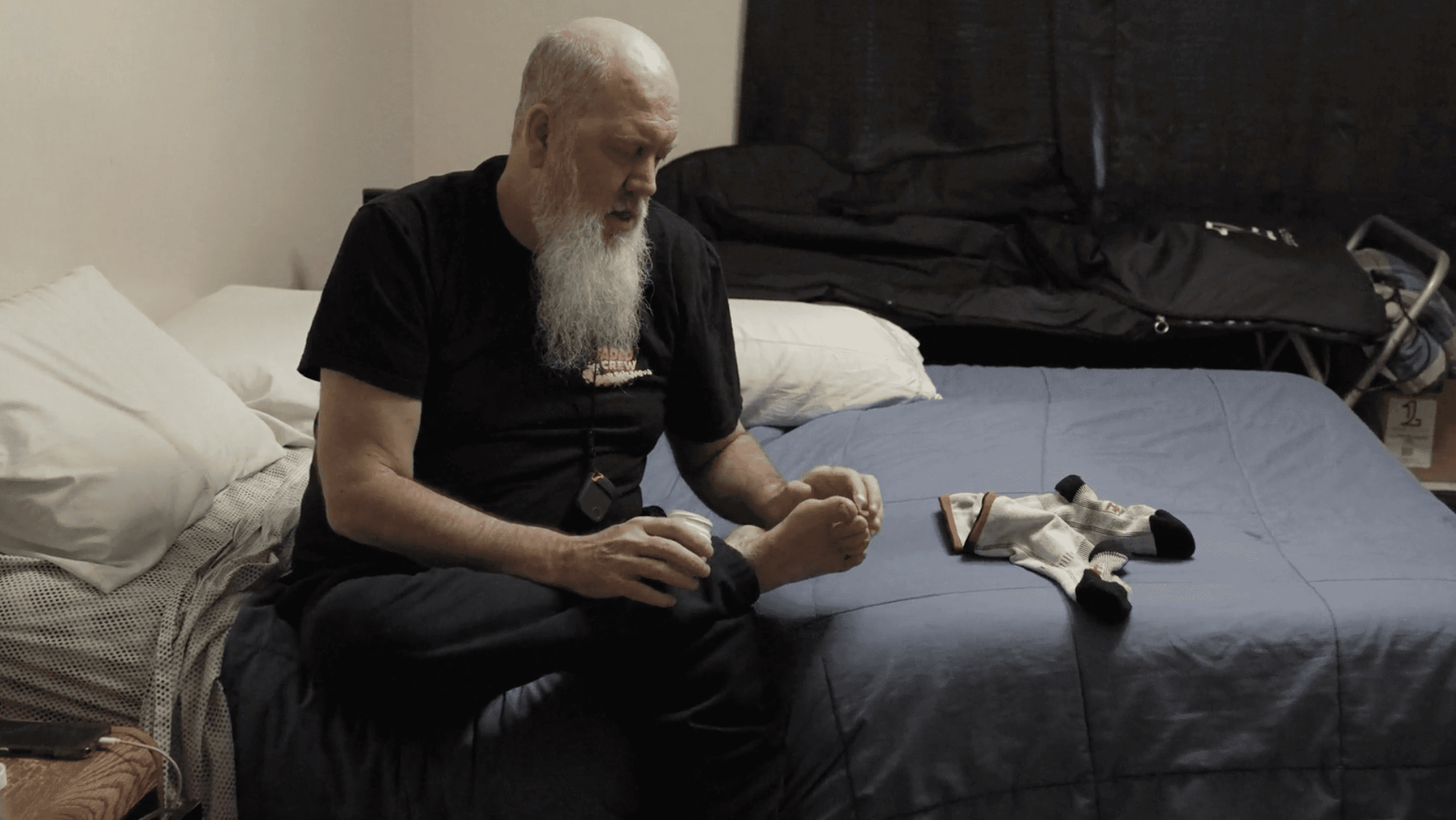



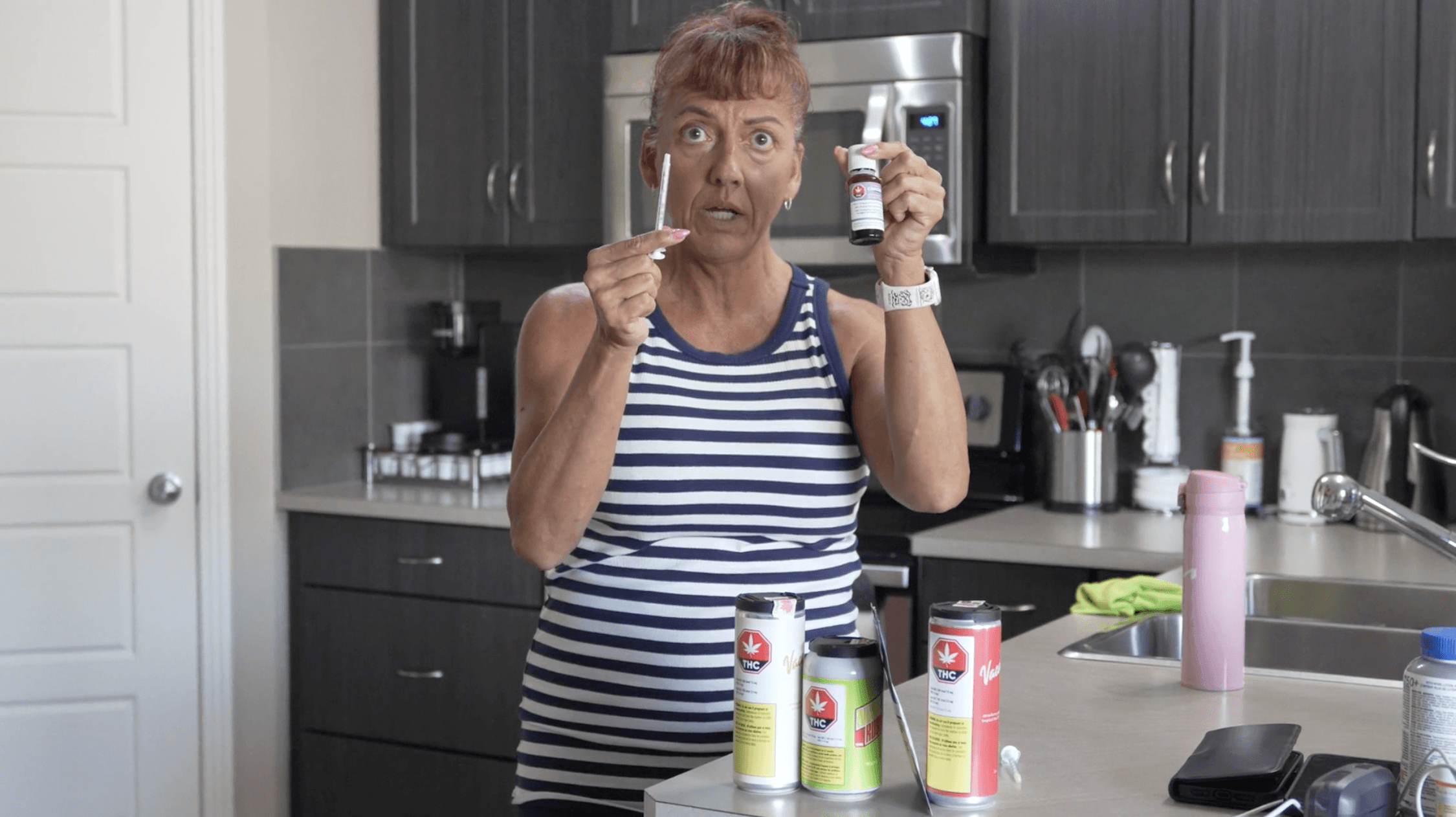
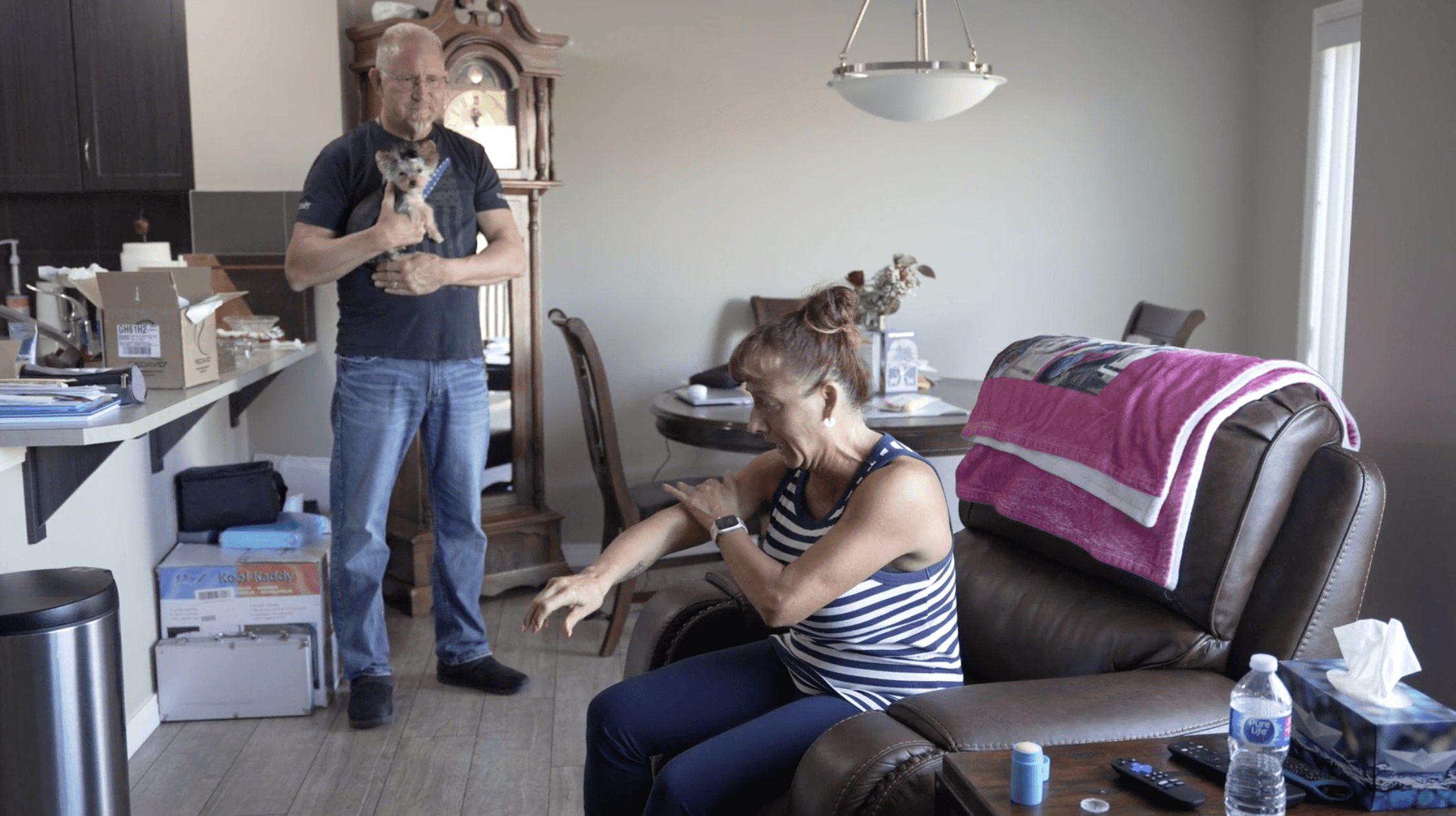
Julie Laprisse-Patterson's military career ended with a sexual assault, a suicide attempt, and a promise to herself that she would never take medication again. For 20 years, that promise kept her alive—and kept her from truly living.
Growing up, Julie's parents taught her a simple philosophy: "If you're going to do something, do it 150%." She carried that dedication into her love of cadets and eventually into her service with the Air Force regular forces. Military wasn't just her job—it was her life.
But sometimes, giving 150% isn't enough to protect you from the worst that military culture can offer. And sometimes, the systems designed to help veterans can fail so completely that a single word—"no"—can echo for decades.
A Career Built on Passion
Julie joined the Air Force because she genuinely loved military life. She understood it was "a man's world" and was prepared for that challenge. What she wasn't prepared for was the systematic abuse that would ultimately destroy her career and nearly destroy her life.
"I was okay with that, because when I signed in, I knew it was a man's world. I'm okay with that, because I was going to do the job properly," Julie recalls. "Now I didn't expect all this other crap coming in my way."
The Abuse That Changed Everything
Throughout her 13-year career, Julie faced persistent sexual and verbal abuse from higher-ranking officers who used their power to exploit and intimidate her:
Officers would grab her inappropriately
She was repeatedly told that reporting the abuse would end her career
The harassment was systematic and ongoing
"I had a lot of sexual, verbal, from higher rank, using their power to make me do different things," Julie explains. "I got told a few times, if you say anything, I'll make sure your career is over."
But the breaking point came in early summer 1997 when Julie was sexually assaulted by a coworker. This assault would trigger a cascade of events that would effectively end her military career and begin a 20-year struggle for survival.
The Medication Trap
After the assault, Julie was hospitalized and given multiple psychiatric medications. An ambulance attendant, perhaps seeing something familiar in her situation, offered a warning she couldn't fully understand at the time:
"One of the guys, when I came out of the kitchen, he says to me quickly, and I always remember that till the day I die, he says, 'this has happened to my wife. And he says, do not take any medication because they will ruin your life.' And that's all he said."
Despite this warning, Julie was prescribed antidepressants and other medications that left her severely impaired:
She couldn't care for her children
She lost track of her finances despite just being paid
Her mother had to fly from Quebec to help her
She describes feeling "like a ghost, literally on the couch all day"
The medications were supposed to help her heal. Instead, they nearly killed her.
The Suicide Attempt
The lowest point came when Julie was alone with her husband, cooking rice for dinner with her young daughter nearby. The psychiatric medications had left her in such a fog that she experienced what she describes as her "brain going black."
"I was cooking rice. And I had one daughter, my oldest. And again, my brain went black just like in the kitchen. And then I woke up in the hospital because I tried to kill myself with my medication. Took all my antidepressant and then I went to bed and I wrote a little letter."
Her husband found her unconscious with a suicide note and empty pill bottles when he smelled the rice burning on the stove. That moment—being saved by burning rice—became a turning point.
"That's when that was it for me. I was like, I will never take any medication again."
Twenty Years in the Wilderness
Julie kept that promise to herself. When she tried to get help from Veterans Affairs, she was denied immediately. For someone who had already lost everything—her career, her sense of safety, her trust in the system—that single rejection was devastating.
"When I tried to get help with what happened to me I got denied right off the bat like VAC or whatever and then to me that one no was like that was it for me."
For the next 20 years, from 1997 to approximately 2017, Julie essentially withdrew from life:
She stayed home, barely leaving the house
She described herself as "frozen in time like a ghost"
She avoided seeking help, convinced the system had nothing to offer her
She lived with untreated PTSD, chronic pain, and the trauma of both military assault and medical trauma
The Connection That Changed Everything
After two decades of isolation, Julie finally connected with the help she needed. Through Veterans Affairs—the same system that had failed her before—she was introduced to cannabis nurse educator Kayla Sanmartin.
The difference was immediately apparent. While previous healthcare providers had simply prescribed medication, Kayla took time to understand Julie's complete story:
"What she does is she asks basically your full medical history, like what's going on? And then she takes a few weeks and then she makes a perfect plan with cannabis for you."
Kayla came to Julie's home and provided comprehensive education about cannabis—something no healthcare provider had ever done with any treatment before:
The history of cannabis as medicine
Differences between CBD, THC, CBN, and other cannabinoids
How different compounds work together
How they might affect each other
Customized dosing for Julie's specific needs

The Transformation Begins
Julie's cannabis treatment plan was carefully designed around her specific needs and her history of medication trauma:
For Sleep: A customized blend that takes about 1.5 hours to take effect, then provides 7-8 hours of uninterrupted sleep without nightmares
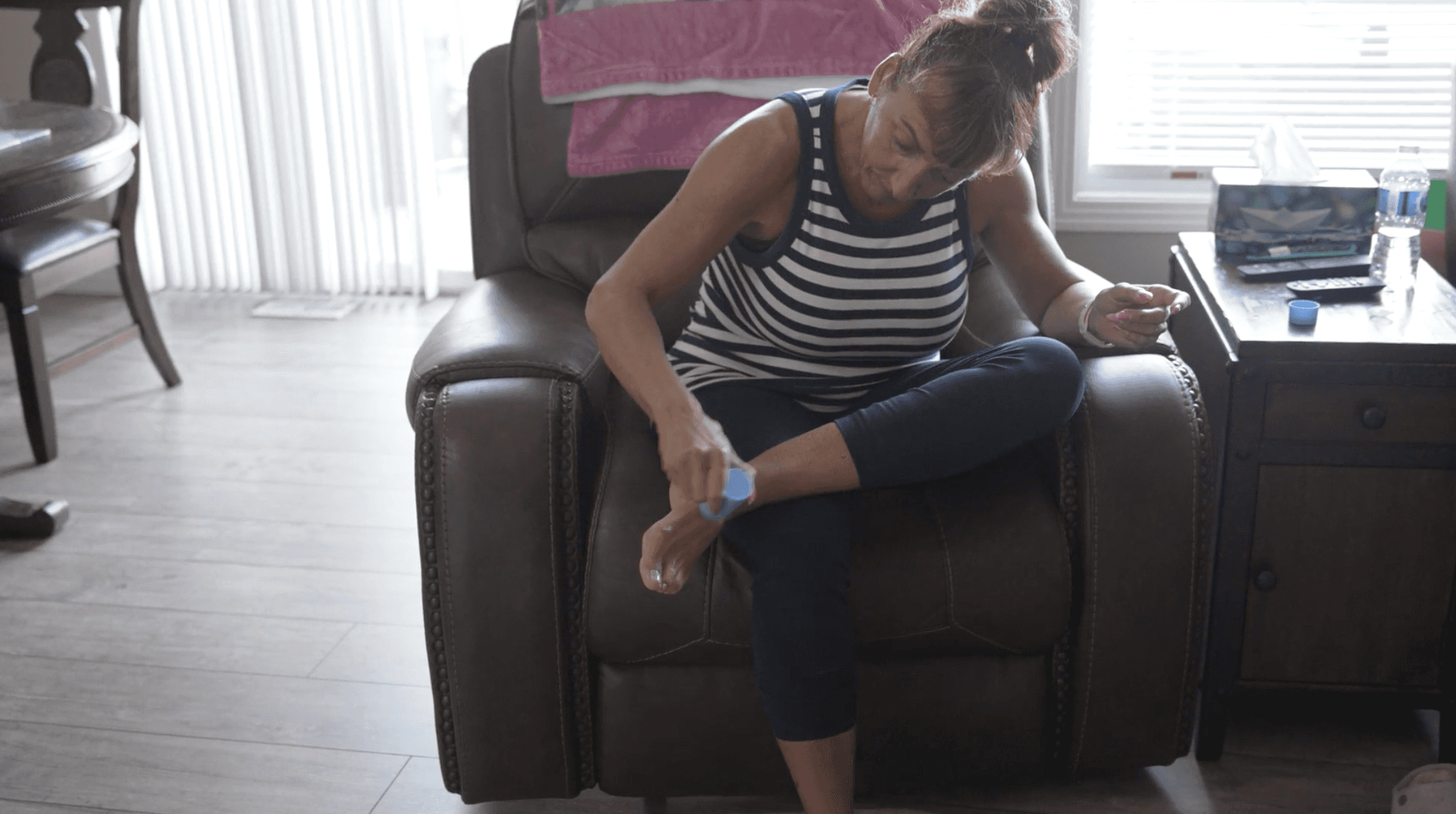
For Pain Management: CBD oils and topical creams for chronic pain
For Activity: THC/CBD strips that allow her to manage arthritis pain during physical activities like golf
The changes were dramatic and immediate.
Sleeping Like a Human Again
"I started sleeping, not waking up to go pee every 5-6 seconds. Or having bad dreams and everything," Julie explains. "I take that, takes about an hour and a half and then when I start feeling like very dizzy, I go put my Invisalign, because if not, I won't even be able to see them. And it's like, it's time to go put my Invisalign, and then I just sit there, and then I just close my light, and then I do not wake up, probably until like 7:30, 8 o'clock the next morning. Eight, nine hours of sleep, like all in, which that never, ever happened to me, ever."
For someone who hadn't slept peacefully in over 20 years, this change was nothing short of miraculous.
Reclaiming Physical Freedom
Julie's transformation extended beyond sleep. The chronic pain that had limited her activities for decades became manageable:
"I go golfing so there's those little stripped CBD and THC so when, because I got arthritis in both of my feet so I walk usually half an hour is my max. So then I will take a little strip here and there to help me finish, let's say if I'm in a tournament and I'm doing an 18 hole, then it's longer, right?"
This might seem like a small victory to some, but for Julie, being able to complete an 18-hole golf tournament represents the return of physical freedom she thought was lost forever.
From Skeptic to Advocate
Perhaps the most remarkable aspect of Julie's transformation is how completely her perspective changed. Three years ago, if someone had suggested she would be using cannabis, her response would have been dismissive:
"If you would have asked me three years ago, Julie, you're going to be taking cannabis. Two years from now, I'd be like, what are you taking on? Are you OK? You drunk? Whatever. Because there is no way I would have known that one day I'd be taking cannabis."
Today, Julie is an enthusiastic advocate for cannabis treatment:
"Like, you saw me yesterday on video. Like, I love that stuff. It helped me. And yeah, it's positive, so why would I not talk about it if it's positive?"
The Ripple Effect of Healing
Julie's healing hasn't just affected her—it's transformed her relationship with her partner Richard, who witnessed her entire journey from trauma through isolation to recovery:
"I know all the stories, like when she first got out and she ended up in the hospital and she tried to commit suicide and all that stuff, because we've always discussed all that," Richard shares. "From seeing where she was when we first got together to now, especially the last few years when it comes to the support she's been getting from VAC, because VAC has really changed everything."
Lessons from Two Decades Lost
Julie's story offers profound insights about veteran healthcare, trauma recovery, and the importance of proper support:
The Power of "No": A single rejection from a healthcare system can echo for decades, especially for trauma survivors
Education vs. Prescription: Julie's success came not just from cannabis, but from comprehensive education about how it works
Personalized Care: Cookie-cutter approaches don't work for complex trauma—Julie needed treatment designed specifically for her history and needs
Time and Patience: Healing from decades of trauma doesn't happen overnight, but it can happen
The Importance of Choice: After having medication forced on her, Julie needed to maintain control over her treatment decisions
A New Chapter at Last
Today, Julie represents the possibility of recovery that seemed impossible just a few years ago. She sleeps peacefully, manages her pain effectively, enjoys physical activities like golf, and has become an advocate for other veterans struggling with similar challenges.
Her journey from a promising young Air Force corporal to a trauma survivor living in isolation to a thriving advocate for veteran healthcare shows that it's never too late for healing to begin.
"Because there is no way I would have known that one day I'd be taking cannabis. Like, you saw me yesterday on video. Like, I love that stuff. It helped me. And yeah, it's positive, so why would I not talk about it if it's positive?"
Julie's story reminds us that sometimes the most powerful healing comes not from the treatment itself, but from finally being heard, understood, and treated with the comprehensive care every veteran deserves.
Julie's journey from 20 years of isolation to renewed engagement with life shows that healing is possible even after decades of struggle. Her story emphasizes the critical importance of proper education, personalized care, and treating veterans as whole human beings rather than collections of symptoms.
For veterans who have experienced trauma within military systems or have been failed by traditional healthcare approaches, Julie's story offers hope that effective, compassionate treatment is possible.