Beyond the Uniform: A Navy Medic's Continued Mission to Heal
When Rob Sipes' doctor suggested cannabis for his PTSD, the retired Navy medic realized he had to choose: cling to outdated perceptions, or open his mind to a treatment that could change everything.
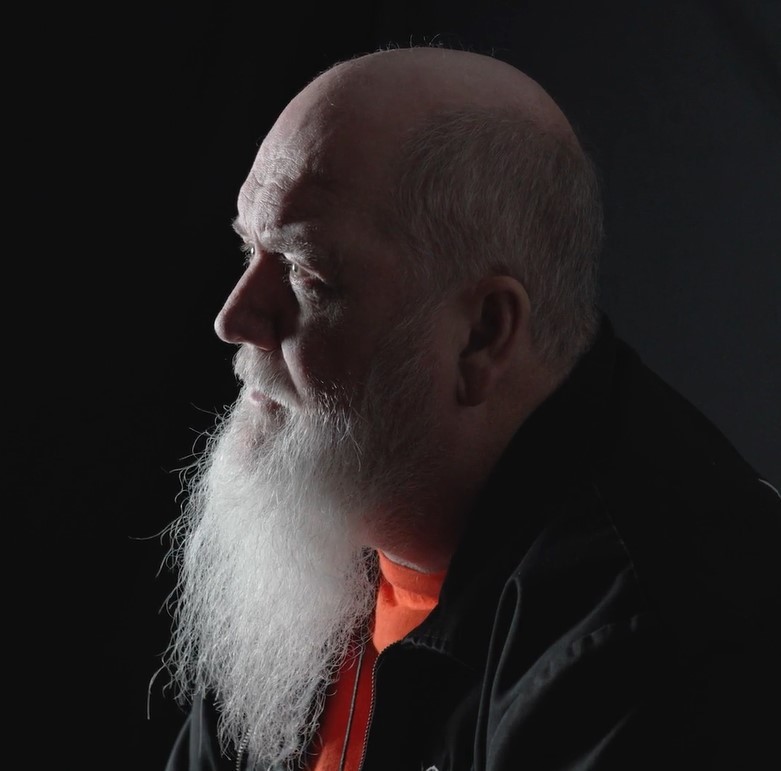
Rob Sipes
Petty Officer 2nd Class (Retired), Navy Medic

Joined
December 1982

Years Served
26 yrs served

Deployments
1984 - Far East deployment on HMCS Saskatchewan
1991 - Gulf War deployment & 1994 UNPROFOR Croatia



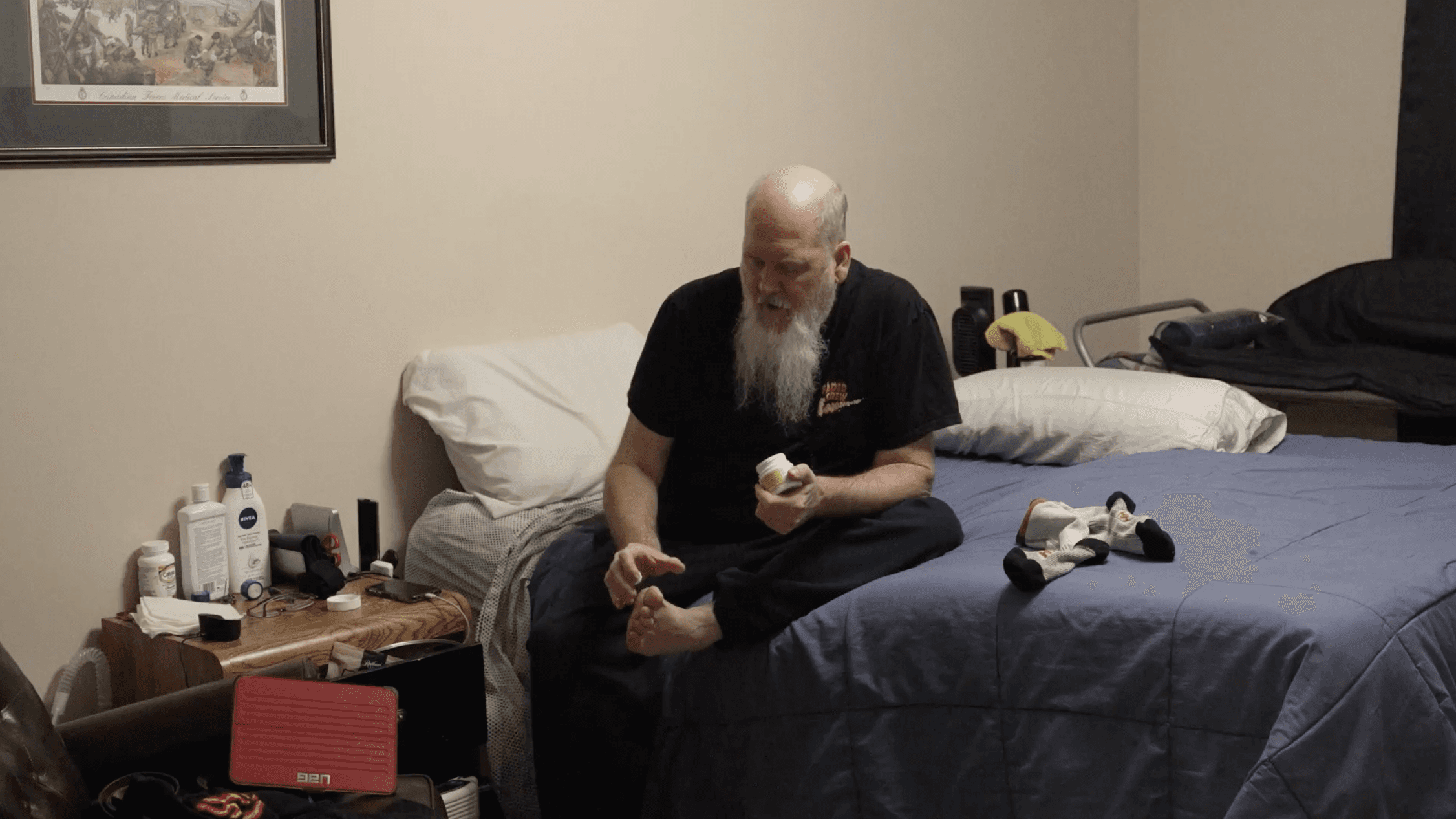
For four decades, Petty Officer 2nd Class Rob Sipes kept a promise that nearly cost him his peace of mind.
At 17, when Rob signed up to serve his country as a Navy medic, his father—a Master Warrant Officer in the Air Force—made him promise something that seemed simple at the time: never touch marijuana again. It was 1982, cannabis was illegal, and military careers could be destroyed by a single positive drug test.
Rob kept that promise through deployments to the Far East and the Gulf War, through developing inflammatory tumors in his lungs, through complete kidney failure, and through decades of PTSD symptoms that grew worse during COVID. But sometimes, healing requires breaking old promises to make new ones.
A Military Legacy Built on Honor
When Rob joined the Navy in December 1982, he came from a military family that understood duty and sacrifice. His father's position as a Master Warrant Officer meant the stakes were clear: one mistake could ruin everything.
"After I signed the dotted line and got home, my dad came down to my room and said, 'give me your weed,'" Rob recalls. "I told him, go fuck himself. And he's like, 'you're in the military now. It's against the law. He says, I can throw you in jail right now.'"
That conversation led to a promise that would define Rob's relationship with cannabis for the next 40 years.

Service and Sacrifice
Rob's naval career took him around the world:
1984: First major deployment to the Far East aboard HMCS Saskatchewan—an experience he describes as "awesome"
1991: Gulf War deployment that became a world cruise when conflict escalated, requiring a quick 30-day refit with new weapon systems before sailing across the Atlantic
But military service came with a price. Rob developed inflammatory pseudotumors in his lungs and progressive kidney deterioration that eventually led to complete kidney failure—zero function.
The Invisible Wounds
Like many veterans, Rob's most challenging battles began after his service ended. His 3B medical release came with a PTSD diagnosis that he initially denied, despite experiencing:
Flashbacks to combat situations
Severe sleep disturbances and nightmares
Startle responses and hypervigilance
Worsening symptoms during the COVID pandemic
"I was in denial of my PTSD throughout that whole time," Rob admits. "I had symptoms—flashbacks, poor sleep, rough sleep, dreaming, nightmares—but I was in denial. And it all exacerbated during COVID to the point that I called for help."
When Traditional Medicine Falls Short
Rob's doctors prescribed trazodone for sleep, a common treatment for veterans with PTSD. While it helped him sleep, the side effects were devastating:
Severe dry mouth every morning
Debilitating hangover effects
Extreme lethargy lasting hours after waking
"You'd wake up and you still felt like you needed to sleep for another two hours because it just dragged. You were lethargic," Rob explains. "You wake up in the morning feeling like you ate a bag of cotton balls and you had a couple of bottles of really cheap tequila."
The medication was helping one problem while creating several others.
The Moment of Truth
When Rob's doctor suggested cannabis as an alternative, the weight of that 40-year-old promise hit him immediately. Here was a potential solution to his suffering, but taking it would mean breaking his word to his father—a fellow military man who understood honor and commitment.
"At first I was against it because... I made a promise to him then that I would never do weed again," Rob shares.
The internal conflict was intense. This wasn't about rebellion or recreation—this was about medical treatment prescribed by a doctor. But a promise was a promise.
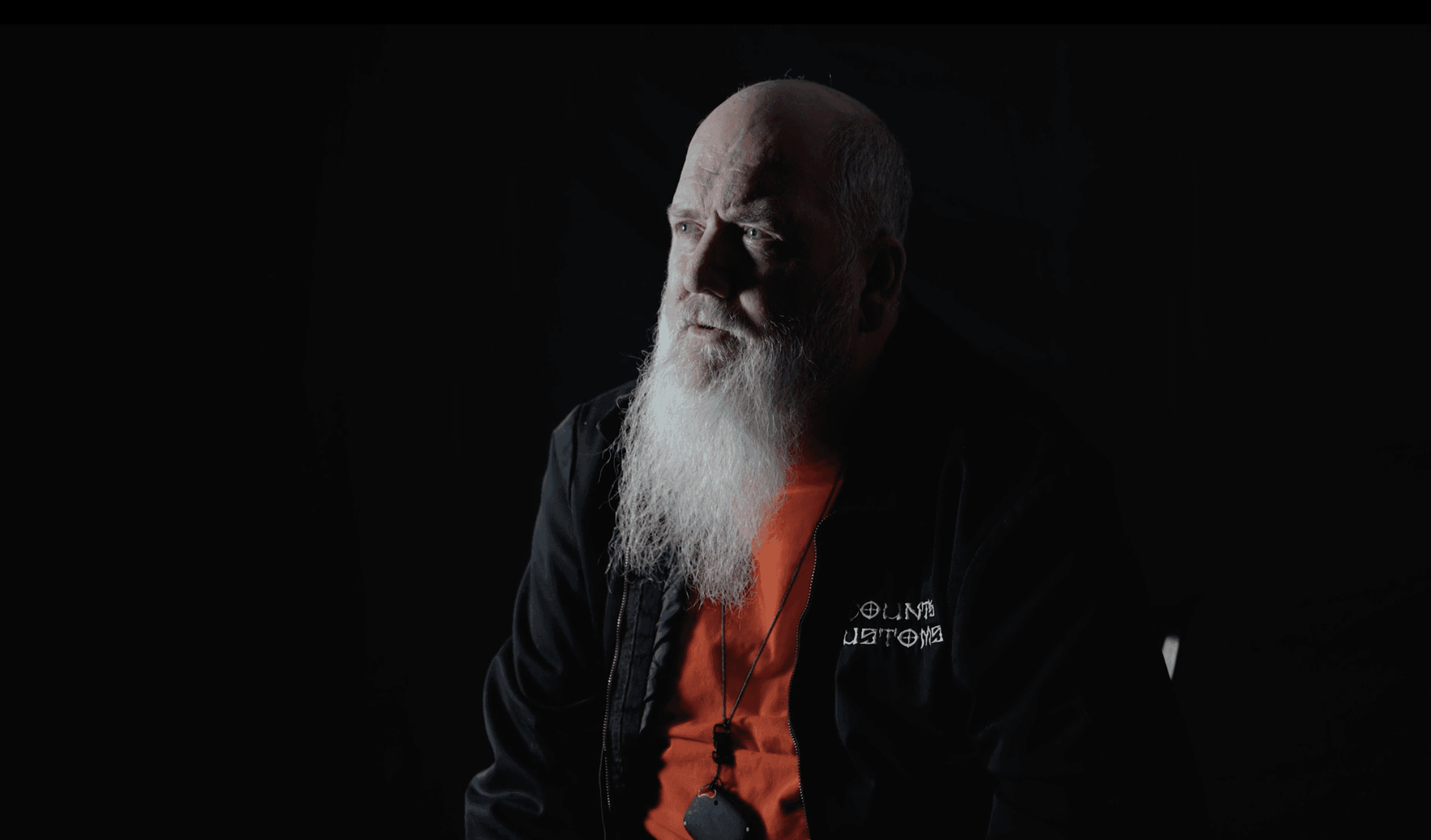
A Son's Call Home
What happened next shows the depth of Rob's character and his relationship with his father. Rather than secretly starting treatment or simply ignoring the old promise, Rob made a phone call that took tremendous courage.
"I had to call my dad. Like, that's how much it meant to me. I had to call my dad at that time that my doctor prescribed it for me and said, I'm out of the military now and my doctor's prescribed this for me for sleep."
The conversation Rob had dreaded for months lasted just moments:
"And he's like, okay, as long as you're prescribed. It was... there was some tense moments for me. He was really chill about it once I told him. He forgot that I'd promised not to do it, but it was just one of those moments. I'll never forget."
Education Changes Everything
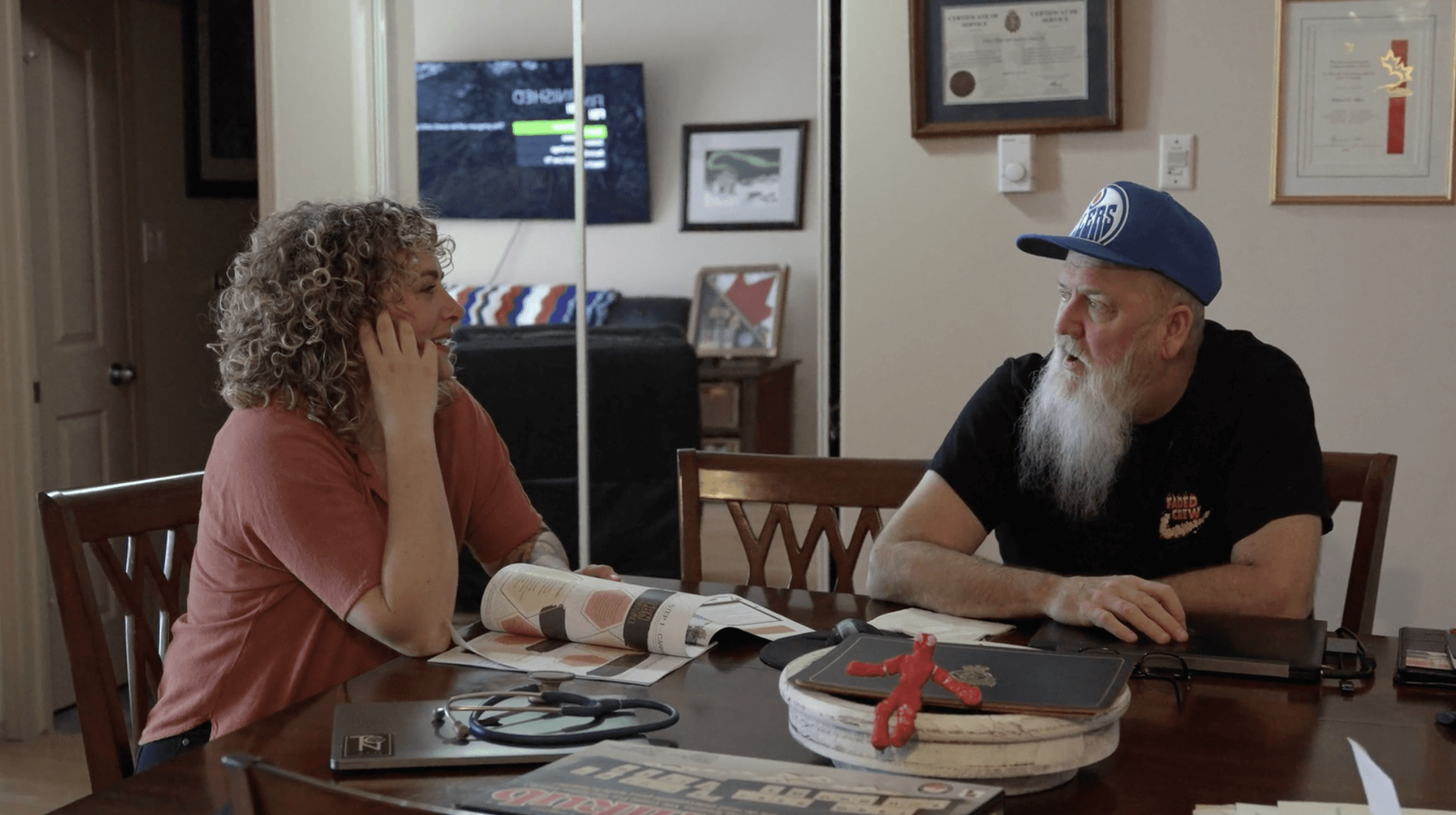
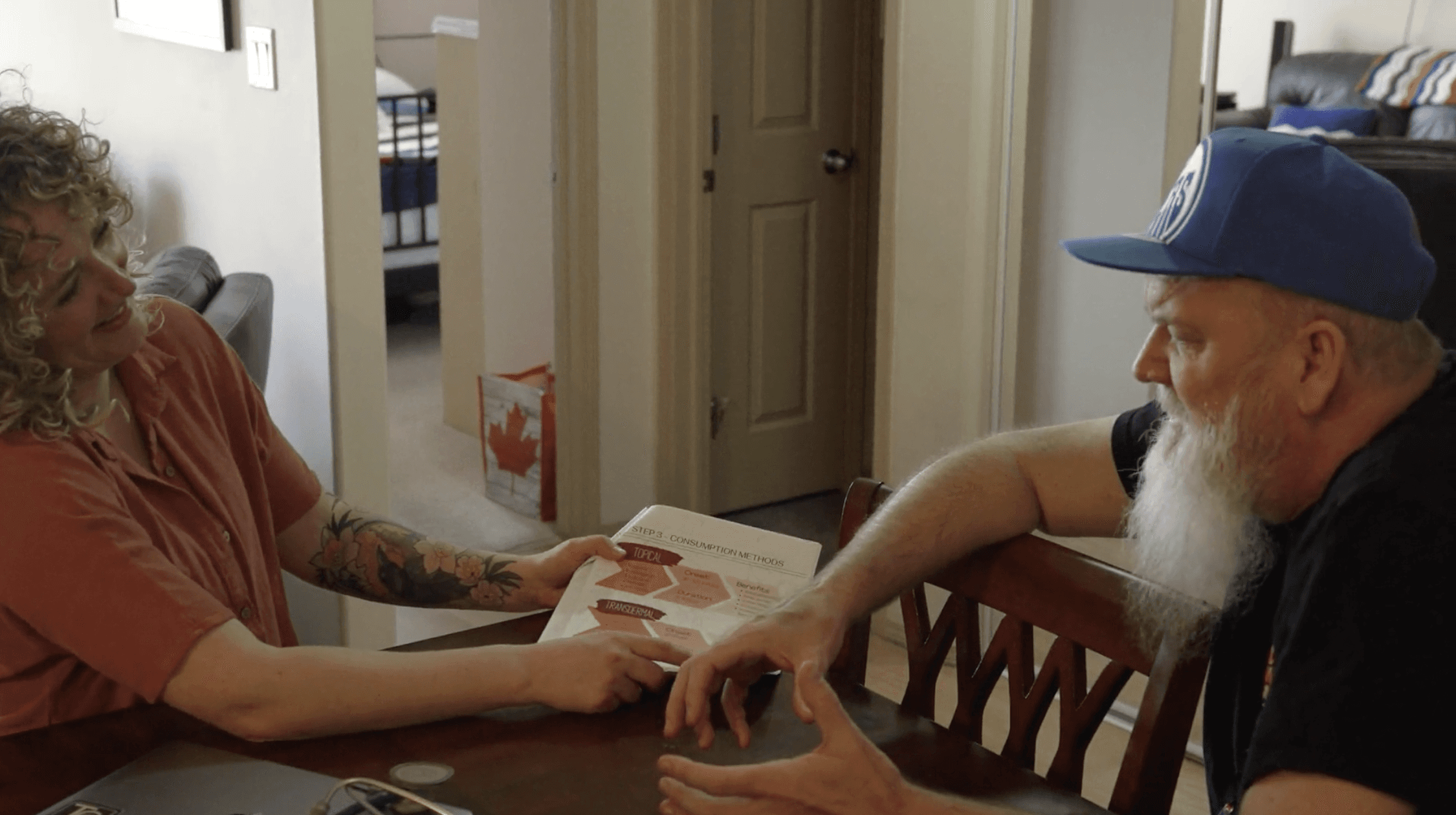
Rob's transformation didn't happen because he simply started using cannabis—it happened because he received proper education. Working with cannabis nurse educator Kayla Sanmartin, Rob discovered there was far more to cannabis than he'd ever imagined.
"I thought there was two, Sativa and Indica, and half the world that's all they think about," Rob explains. "And then after the hour and a half education class, I know about terpenes and what the different terpenes do and the difference between CBN, CBD and CBG."
This education was crucial. Rob learned about:
Different cannabinoids and their specific effects
Terpenes and how they influence treatment
Proper dosing and delivery methods
How to avoid intoxication while getting relief
Finding What Works
Due to his lung condition, Rob can't smoke or inhale cannabis. Instead, his treatment focuses on:
Gummies for systemic relief: Providing consistent, long-lasting effects for sleep and overall symptom management
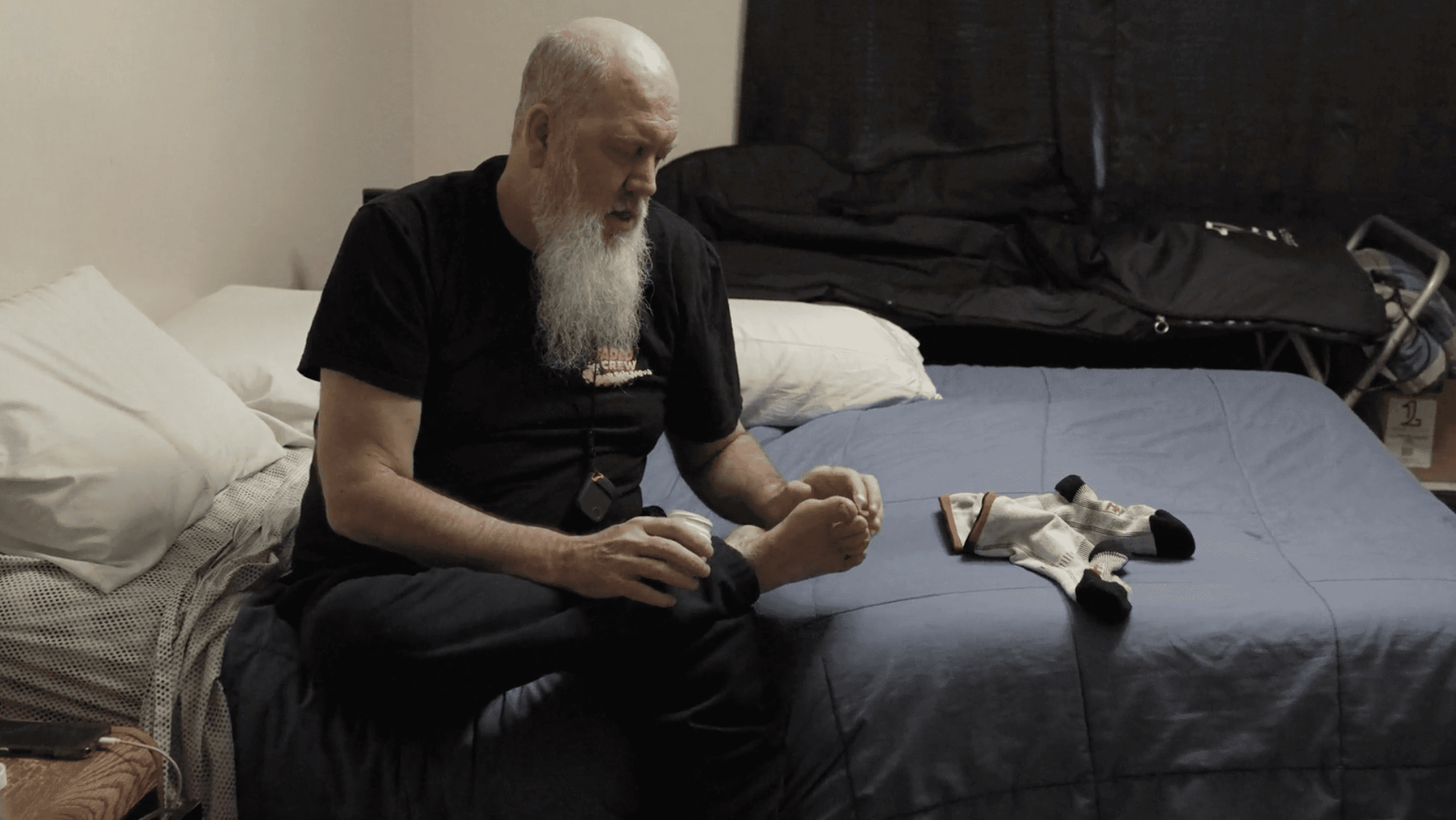
Topical applications for targeted pain: Rob uses cannabis cream on his feet for diabetic neuropathy—a condition that had plagued him for years
The results speak for themselves: "I've been using the topical, I don't know, a year now... and my feet are probably the healthiest they've been in years."
The Importance of Proper Guidance
Rob's story highlights a crucial point often missed in cannabis discussions: the difference between recreational use and medical treatment with proper education.
"Just don't trust your buddy that's learned it from a second person who learned it from another person. Get a proper education," Rob advises.
His experience working with a qualified cannabis nurse made all the difference. Rather than trial and error, Rob received a customized treatment plan based on his specific medical history, conditions, and needs.
Healing Without Shame
Today, Rob's relationship with cannabis is entirely medical and entirely transformed. The shame and conflict he felt about breaking his promise has been replaced by gratitude for effective treatment.
His father's understanding response—focusing on the medical prescription rather than the old promise—showed that even long-held beliefs can evolve when health and healing are at stake.
A Message for Veterans
Rob's journey offers several important lessons for other veterans:
Honor includes self-care: Sometimes keeping old promises means making new ones to yourself about getting proper treatment
Education matters: Understanding what you're taking and why makes all the difference in treatment success
Medical cannabis isn't recreational use: Proper medical treatment with professional guidance is entirely different from casual consumption
Family support helps: Having honest conversations with loved ones about treatment needs can lead to understanding and support
Moving Forward
Rob's story isn't just about one veteran finding relief—it's about the evolution of veteran healthcare and the importance of keeping an open mind about effective treatments.
After decades of service to his country and years of suffering with inadequate treatment, Rob finally found something that works. His feet are healthier, his sleep is better, and most importantly, he's living without the daily struggle that defined his post-service life for so long.
"There's got to be something else," Rob told his doctor about his traditional medications. Sometimes, that something else is exactly what you need—even if it means redefining old promises in light of new possibilities.
Rob's journey shows that healing often requires courage—the courage to seek help, to try new treatments, and sometimes to have difficult conversations with the people we love most. For veterans struggling with traditional treatments, his story offers hope that effective relief may be closer than they think.
If you're a veteran interested in learning more about medical cannabis treatment, seek out qualified healthcare providers who can provide proper education and personalized treatment plans.